 Goes Wedding
Diamond Nexus: The "Nexus Diamond" Is Not a Diamond
 Written by Tessa Broussard
 · Reviewed by Renata Halloran, CWP· Published 2026-08-28· Last checked 2026-08-30
Some links on this page are affiliate links; if you buy through one, we may earn a commission. That relationship never decides which companies we cover or what we conclude about them - see our review methodology.
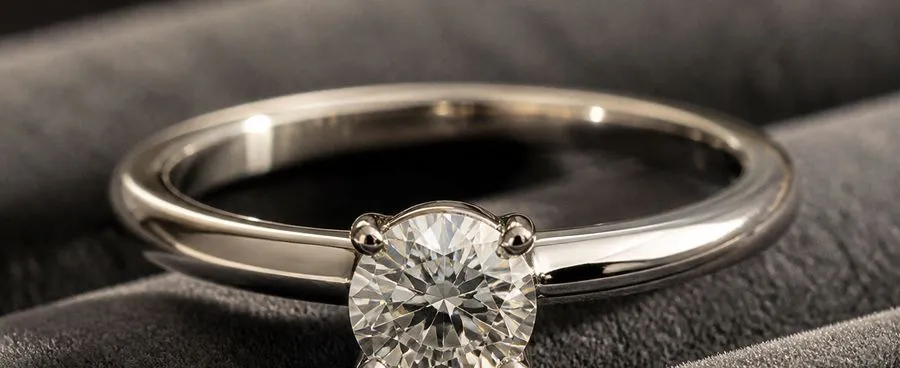
Is the diamond in a Diamond Nexus ring actually a diamond? For the company's flagship product, no - and that answer suits some buyers perfectly and burns others badly.
The "Nexus Diamond" is a diamond-look simulant, sold at a steep discount to a buyer who understands exactly what it is.
It's the wrong purchase for someone who assumes "lab-created" automatically means "lab-grown diamond," because Diamond Nexus sells that too, under the same name, on the same site.
I checked what this research could confirm about Diamond Nexus's pricing and paperwork as of August 30, 2026, and what it couldn't.
| Field | Diamond Nexus |
|---|---|
| Business model | Direct-to-consumer, single-brand specialist |
| Product lines | Two, sold under one brand: the "Nexus Diamond," a proprietary non-carbon simulant, and, separately, a genuine, IGI-graded lab-grown (carbon) line |
| Certification lab | IGI grades the genuine lab-grown line; the simulant has no independent diamond-grading-lab equivalent |
| Return window | Not found in this research |
| Showroom / in-person access | Not documented in this research |
This page may include links that earn a commission if you buy through them. That possibility played no part in whether Diamond Nexus appears on this hub or in the verdict below, and no commission figure is published.
Where Diamond Nexus Fits in This Hub
This hub covers four kinds of engagement-ring retailer: direct-to-consumer single-brand specialists, online-first marketplaces, mall and chain jewelers, and heritage luxury houses.
Diamond Nexus sits in the first group - it designs and brands its own product, then sells it directly, with no marketplace layer standing in between.
That structure matters more here than usual, because a single-brand specialist controls both what it calls its product and how clearly it explains the difference between two very different things sold under one name.
Is the "Nexus Diamond" Actually a Diamond?
No. The Nexus Diamond is a simulant - a diamond-look substitute, not carbon-based, not a diamond of any kind. Diamond Nexus separately sells genuine, IGI-graded lab-grown diamonds: carbon, just grown instead of mined. Confusing the two is the single most consequential mistake in this category, and an easy one to make, since both sit on the same site under the same brand.
No other retailer page in this research even lists Diamond Nexus, let alone draws this distinction.
The company's own marketing describes the Nexus Diamond as IF clarity, G color, Ideal cut, roughly 9.1 to 9.2 Mohs hardness. Treat that as a company claim, not an independent grade - outside commentary describes simulant hardness generally as lower, and neither side resolves it here. A Reddit thread separately alleges the stone is "effectively cubic zirconia": one unconfirmed, single-source claim, not a finding.
The FTC's Jewelry Guides bar calling a simulant a "diamond," qualified or not, and require "laboratory-grown" alongside "diamond" for the real thing.
I read vendor material for a living before I ever wrote about weddings, and the habit that catches an inflated "original price" on an invitation quote applies here too: don't take a seller's word for what its own product is.
Confirm in writing which line you're buying before you pay.
Diamond Nexus's Two Product Lines, Side by Side
| Attribute | Nexus Diamond (simulant) | Genuine lab-grown line |
|---|---|---|
| Material / composition | Not carbon-based | Carbon-based |
| Independent certification | None equivalent | IGI-graded |
| Self-reported grading claims | Company's own claim: IF clarity, G color, Ideal cut, roughly 9.1-9.2 Mohs hardness | IGI 4Cs grading |
| Indicative price signal | Not found in this research | Roughly $1,000-$1,500 per carat (company blog, undated) |
| Best understood as | A diamond-look alternative, not a diamond | A genuine, lab-created diamond |
What Diamond Nexus's Marketing Says vs. What's Confirmed
- Myth: The Nexus Diamond is a diamond. Fact: It's a simulant - not carbon-based, and not a diamond under any grading system, no matter how the branding reads.
- Myth: The IF clarity, G color, Ideal cut and 9.1-9.2 Mohs hardness figures are settled facts. Fact: They're the company's own claims. Outside commentary disputes the hardness figure specifically, and this research didn't capture a citable source for that dispute.
- Myth: It's basically cubic zirconia. Fact: That's an unresolved, single-source Reddit allegation. Diamond Nexus hasn't confirmed it, and neither has this research.
- Myth: The lab-grown line is cheaper because it's lower quality. Fact: A lab-grown diamond is chemically identical to a mined one. The lower price comes from the production method, not the grade.
Who Diamond Nexus Is, and How It Sells
Diamond Nexus is a direct-to-consumer, single-brand specialist: it designs and brands its own stones and settings, then sells them straight to the shopper - no marketplace, no franchise layer in between.
By this research's classification, its legitimacy status is official retail: a real, currently operating seller, not a storefront flagged for fraud or a reseller trading on someone else's name.
That matters because everything above can read like a warning about the business itself. It isn't. The caution on this page is about product-type clarity, not honesty - know which of the two lines you're looking at before you commit money to it.
A shopper who wants the general grounding on independent certification and the 4Cs before going further should start with how lab-grown and mined stones actually differ rather than re-reading it here.
Two Products, One Brand: What Actually Sets Diamond Nexus Apart
Every other retailer in this hub sells some version of an actual diamond. Diamond Nexus is the only one whose flagship, most-marketed product is a simulant by design, not by omission. That's not a knock on the company - it's the whole reason the product exists.
Running a simulant line and a genuine lab-grown line under one brand is a cost-tier play. Both answer the same demand, wanting the look of a diamond, at two different price points and two different levels of what you actually own. For a shopper who wants that look at the lowest cost the market offers, deliberately, that's a rational structure.
The trap is comparing a Diamond Nexus listing to a specialist that sells only genuine lab-grown stones, like Grown Brilliance, without first confirming which of Diamond Nexus's own two lines you're actually pricing against it.
The numbers won't mean the same thing.
Resale and insurance value split sharply along the same line, and neither line comes with a promise of either. A genuine lab-grown diamond can, in principle, be appraised and insured as a diamond. A simulant generally can't be, not on the same terms, and nothing in this research puts a number on either outcome for Diamond Nexus specifically.
What Diamond Nexus Costs, and What That Number Actually Means
There's exactly one price figure in this research, and it comes from Diamond Nexus itself. The company's blog puts its genuine lab-grown, one-carat stones at roughly $1,000 to $1,500 per carat, against $6,000 to $10,000 per carat for a comparable mined stone. Treat that as a single, self-interested, undated company-blog claim, not "the price," and not something this research independently audited.
That figure covers the genuine lab-grown line only. No separate price figure for the Nexus Diamond simulant turned up anywhere in this research, and I'm not backing one into that number by assumption. A simulant and a lab-grown diamond aren't priced the same way, and guessing would just manufacture a fact that doesn't exist yet.
You'll see lab-grown diamonds advertised anywhere from 20 percent to 90 percent cheaper than mined ones, depending on which source is counting, and that range has been widening rather than settling. I'm not picking a number inside it for Diamond Nexus specifically - the discount gap is genuinely disputed industry-wide, not something one company's blog post can settle on its own.
Certification, Returns and Warranty: What We Could (and Couldn't) Confirm
The genuine lab-grown line carries an IGI grading report, by the company's own statement. The Nexus Diamond doesn't have an equivalent, because it isn't a diamond - there's no independent diamond-grading lab standing behind a simulant the way IGI stands behind the carbon stones.
If Diamond Nexus offers any in-house documentation for the Nexus Diamond, that's a company document, not an independent grading report, and the two shouldn't be weighed the same way.
Here's the honest gap: this research found no return window, no resize policy, and no warranty terms published for Diamond Nexus specifically, anywhere. That's not the same as saying the company has none, only that nothing turned up to confirm what they are.
The category as a whole tends to run on something close to a 30-day return window with exclusions for altered or resized pieces, but that's an industry-general norm this research didn't independently confirm, and not a Diamond Nexus figure.
Before you pay for anything, get Diamond Nexus's current return, resize and warranty terms directly from the seller, in writing. Nothing here substitutes for reading their actual policy page on the day you buy.
Five Things to Confirm Before You Buy From Diamond Nexus
- Get it in writing which of the two product lines - the simulant or the genuine lab-grown diamond - the specific item actually is.
- Ask what documentation comes with the stone: an IGI report for the genuine line, or a company-issued document for the simulant. The second isn't an independent grading report.
- Get the current return, resize and warranty terms in writing. This research found none published for Diamond Nexus.
- Treat the company's own hardness, clarity and cut figures as marketing claims, not an independent lab's grade.
- Check any comparison you read, including this one, against Diamond Nexus's current site before you pay. Terms and claims change.
Reviews and Reputation: What the Record Actually Shows
I looked for a Trustpilot score, or anything like one, and came up empty. This research found no third-party review-platform rating for Diamond Nexus at all. That's a gap in what's available to check, not evidence one way or the other - a missing score isn't the same as a bad one, and it isn't a green light either.
The one reputation-relevant thing this research did turn up is the Reddit allegation covered above: a single, unconfirmed post claiming the Nexus Diamond is "effectively cubic zirconia." It stays exactly what it was there - one unresolved consumer claim, not a pattern, not a finding.
In my experience chasing down seller policies for pieces like this one, a blank trail like Diamond Nexus's is more often sloppy public documentation than an actual problem, though I can't rule out the second, and neither can this research.
What I can tell you is that silence isn't a synthesis. Nobody should read "no reviews found" as either a warning sign or a clean bill of health.
Our Honest Verdict on Diamond Nexus
Diamond Nexus works for one buyer and fails another, and the split has nothing to do with money. It works for someone who wants the look of a diamond at a steep discount and goes in knowing, clearly, that the Nexus Diamond isn't a diamond of any kind.
It fails someone who assumes "lab-created" automatically means "lab-grown diamond," because this one company sells both, a few clicks apart, under branding that doesn't spell out the difference for you.
This isn't a ranking against the other retailers on this hub, and it isn't a "best value" badge - Diamond Nexus doesn't get one, and neither does anyone else here. It's a single instruction: before you pay for anything from this company, get it in writing which of the two lines the specific item actually is.
Everything else on this page, from the pricing to the unresolved allegation, only matters once you've settled that first.
A Note on Our Data and What We Verified
Every price, certification and policy claim on this page was checked as of August 30, 2026, and needs reconfirming on Diamond Nexus's own current site before you rely on it for a purchase this size. The material-connection note above still applies: this page may earn a commission on some outbound links, and that played no part in this verdict.
This research did not verify Diamond Nexus's specific return, resize or warranty terms, or any third-party review-platform score. Nor did it verify the outside commentary disputing the Nexus Diamond's hardness claim. None of those gaps were filled with a guess.
How we check every seller on this hub explains our full process.
Frequently Asked Questions About Diamond Nexus
Is a Diamond Nexus stone a real diamond? It depends which line you're looking at. The flagship Nexus Diamond is a simulant, not a diamond of any kind, no matter how the marketing reads. The company's separate lab-grown line is different: it's carbon-based and IGI-graded, a genuine diamond by any definition.
Don't assume you're getting one when you might be buying the other.
What's the difference between the Nexus Diamond and Diamond Nexus's lab-grown diamonds? One is not carbon-based and has no independent diamond-grading-lab equivalent; the other is carbon-based and graded by IGI. This is the single most consequential confusion in this category, by this research's own read, precisely because both sell under one brand.
Is Diamond Nexus legit? Yes, as a business. Its legitimacy status here is official retail: a real, currently operating seller of its own branded products, not a flagged storefront. The caution on this page is about knowing which product you're buying, not about whether the company is honest.
Is the Nexus Diamond just cubic zirconia? Unconfirmed. A Reddit thread makes that specific allegation, and it's the only reputation-relevant claim of its kind this research found. Treat it as one unresolved, single-source claim, not a confirmed fact, and not dismissed either.
How do I make sure I'm buying the line I actually want? Get it in writing, before you pay, which of the two lines the specific listing is. Ask what documentation comes with the stone, and remember that an in-house document for the simulant isn't the same thing as an independent grading report.
Is Diamond Nexus worth it? Worth it if you want the diamond look at a real discount and understand exactly what you're buying. Not worth it if you assumed "lab-created" meant lab-grown diamond by default. There's no return, resize or warranty figure in this research to weigh into that decision - I'd rather say that plainly than guess at one.
Related Retailers and Further Reading
- How Grown Brilliance's stones differ from a simulant.
- A seller with a genuine lab-grown line and a sourcing story.
- Work out which spec choices you will actually see with the hub's price-versus-spec tool.
- How lab-grown and mined stones actually differ.
- Which of the 4Cs you can actually see and what the salary rule is really based on.
Before you pay for anything from Diamond Nexus, get it in writing which of the two product lines the specific item actually is, and confirm the current return, resize and warranty terms directly on the seller's own site, since this research found none published.
The checklist above is what to check. External links on this page open in a new tab.