 Goes Wedding
Blue Nile Review: Is It Legit? (2026)
 Written by Tessa Broussard
 · Reviewed by Renata Halloran, CWP· Published 2026-08-28· Last checked 2026-09-01
Some links on this page are affiliate links; if you buy through one, we may earn a commission. That relationship never decides which companies we cover or what we conclude about them - see our review methodology.
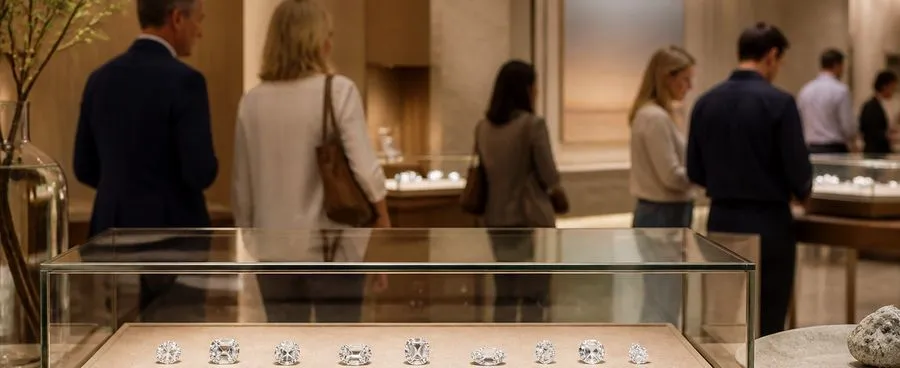
Blue Nile is a reasonable pick if you want independently graded stones and a return policy you can read in full before buying, with one open question worth knowing about before you check out.
It started as an online-only diamond marketplace back in 1999 and most reviews still describe it that way. That framing is dated.
This page leads with the store network Blue Nile has been quietly building and with something its own site navigation tells you that its marketing pages never mention, rather than repeating the "huge selection since 1999" pitch every competitor's review already uses.
At a Glance: Blue Nile
| Field | Blue Nile |
|---|---|
| Business model | Online-first DTC diamond marketplace, now hybrid with in-person showrooms |
| Product type | Natural and lab-grown diamonds, GIA/AGS graded |
| Founded | 1999, per a third-party comparison (not stated as such on Blue Nile's own site) |
| Certification lab(s) | GIA and AGS |
| Return window | 30-day money-back guarantee |
| In-person access | About two dozen U.S. showrooms as of September 1, 2026, with more announced |
This site may earn a commission if you buy through a link below. That has no bearing on which sellers appear here, what we say about them, or the order they appear in.
Where Blue Nile Fits in the Engagement-Ring Market
Engagement-ring sellers split into four rough types: online-first direct-to-consumer marketplaces, mall and chain jewelers, heritage luxury houses, and lab-grown or simulant specialists. Blue Nile built its name in the first group, and its growing showroom count is pulling it partway toward the second without leaving the first.
If you have not settled on which type fits your search yet, our engagement-ring retailer hub walks through what each one offers before you compare individual sellers.
Who Blue Nile Is, and How It Sells Diamonds
Blue Nile has been operating continuously since 1999, per a third-party comparison; that continuity claim doesn't appear stated on Blue Nile's own site, so treat it as a well-sourced outside claim, not a company fact.
What it sells is a loose-diamond-first model: you pick a certified stone, then a setting, rather than a finished ring off a shelf.
Inventory size is where sources disagree - one 2026 comparison from a competing retailer puts the natural-diamond count near 136,000 and lab-grown near 68,000, but that figure comes from a rival's blog, not an audited count, and nothing close to it turned up elsewhere in this research.
Read it as a rough scale, not a reconcilable number. Every stone is graded by GIA or AGS, independent of the seller, not an in-house scheme - which matters more than the exact count does. How the 4Cs affect what you're really paying for covers grading itself in full.
What Actually Sets Blue Nile Apart: Showrooms and the James Allen Question
Two things separate Blue Nile from the generic pitch, and both matter more to a buyer than "established since 1999" ever will.
The first is showrooms. Blue Nile now runs roughly two dozen physical locations across the United States, checked September 1, 2026, with another 50 reportedly planned within three years. Treat that expansion figure as a plan, not a promise, and confirm the current list on Blue Nile's own store locator before you drive anywhere.
Where a location is close to you, it changes the sight-unseen fear this whole review starts with: you can look at the actual stone, or a comparable one, before committing real money.
The second is stranger, and no other Blue Nile review I found mentions it. Browse Blue Nile's own site and you hit a "James Allen Collection" inside the navigation - two brand names, cross-sold on one storefront, with no relationship stated anywhere on either site. I looked for a disclosed parent company or a stated partnership and found nothing.
What I can tell you honestly: this is an unconfirmed inference from site navigation, not a disclosed fact, and I am not resolving it in either direction here.
See Blue Nile and James Allen compared side by side for the fuller breakdown of where the two differ, or work out which spec choices you will actually see with the hub's price-versus-spec tool.
What a Blue Nile Ring Actually Costs
Ask what a Blue Nile ring costs and the honest answer is that it depends entirely on the stone and setting you pick. Blue Nile does not publish an official starting price anywhere I could find in this research. A commonly repeated figure puts entry pricing "in the low thousands," but that number comes from a third-party comparison, undated, and it is not something Blue Nile states about itself.
Treat it the way you'd treat a stranger's guess at your own mortgage payment: a starting point for a conversation, not a quote.
What drives the number is the loose-diamond-first model. Pick the stone, watch its price move as you adjust cut, color, clarity and carat, then add a setting on top. Two rings that look identical in a product photo can land at meaningfully different totals for that reason.
The only reliable price check is running your own combination through the site rather than trusting a headline figure from any review, mine included. What the salary rule is really based on is worth five minutes before you touch a configurator - it is not the number most people assume it is.
Returns, Resizing, Warranty, and Certification
This is the part of a jewelry-seller review I actually enjoy, which tells you something about eight years spent reading vendor contracts for a living: Blue Nile's own policy page states a 30-day money-back guarantee, free insured return shipping, and up to two free returns per year.
On top of that, a ring bought through Blue Nile carries one free resize within the first year.
Read the exclusion before assuming it covers you. Eternity bands, milgrain detailing and some alternative-metal settings cannot be resized at all, by the physical nature of the work.
I read that line by line before I'd recommend a policy to anyone, the way I'd read a vendor contract before signing off on a caterer, and it's the detail most buyers skim past because "free resize" reads like a blank check.
Certification is the other half of what you're paying for. Every diamond is graded by GIA or AGS, independent labs with no financial stake in the sale, not a grading scheme the seller runs itself.
One more term needs a fresh check before you rely on it: Blue Nile is reported to include an insurance-replacement certificate on purchases over $5,000, but I could not confirm that against a dated source, so ask directly rather than assume it applies.
Insuring it once it is on her hand is the next step regardless of what the certificate covers.
Before You Buy From Blue Nile or Anyone Else
Five things worth confirming in writing before you pay for a stone this size:
- The certification is named and issued by an independent lab, not the seller's own grading.
- The return window is stated in writing, not just implied in a sales chat.
- Resize and warranty terms, exclusions included, are something you've read before checkout.
- The seller's contact information is findable and real - a phone number that reaches a person, not just a form.
- You've checked an independent review of the seller, separate from the testimonials on its own product pages.
Reviews and Reputation: What We Could (and Could Not) Verify
Here's what I'd want a reviewer to tell me straight: I looked for a dated, verifiable third-party review score for Blue Nile - Trustpilot, the Better Business Bureau, anything with a number, a review count and a date attached - and none turned up in this research that I could stand behind.
That is not the same as a bad score, and it is not the same as no reputation. It means I am not handing you a figure I cannot source, and you should be skeptical of any page that hands you one without saying where it came from.
What the research does surface clearly is the shape of what buyers worry about, and it is arguably more useful than a star rating: buying a stone sight unseen, whether a showroom sits close enough to matter, what happens to a ring's fit after the wedding, and the same James Allen question this page keeps circling back to.
Those four concerns showed up repeatedly in the sourced research, and they map closely onto the sections above. Before you buy, pull up Blue Nile's live Trustpilot or BBB listing yourself and read the recent entries, not just an aggregate number.
Honest Verdict: Who Blue Nile Suits
My honest verdict: Blue Nile suits a buyer who wants independently graded stones, a return and resize policy she can read in full before buying, and the option, even unused, of walking into a showroom first.
That is a real yes, not a hedge. The James Allen question stays open - I am not resolving it here or anywhere else on this site, because nobody outside the company has confirmed it either way.
Two kinds of buyers should look elsewhere. Someone who wants to sit across a counter, finance in-store and walk out with a ring same day is better served by a mall or chain jeweler. Someone who wants to examine the literal stone she is buying, not a comparable one, should look at James Allen's 360-degree video model instead.
Get the independent appraisal and the insurance paperwork done before the wedding, not after.
I once counted the wrong unit under deadline pressure planning my own wedding - guests instead of households, forty invitations too many - and the ring's paperwork is the same trap with worse math if "later" becomes the plan.
A Note on Our Data and Any Material Connection
Every showroom, policy and pricing figure above was checked as of September 1, 2026, and any of them can change without notice - confirm anything that affects your purchase directly on Blue Nile's own site.
The material-connection disclosure sits above, before the first link out.
Three things on this page specifically were not independently verified: Blue Nile's exact inventory count, any relationship between Blue Nile and James Allen, and a dated third-party review-platform score for Blue Nile.
Blue Nile FAQ
Is Blue Nile actually a legitimate place to buy an engagement ring? Yes, on the evidence found here: a long operating history (per third-party sourcing, not Blue Nile's own claim), independent GIA/AGS certification, and a published return policy. Know the open James Allen question below going in - it doesn't make Blue Nile untrustworthy, but you shouldn't be told a cleaner story than the research supports.
Can I see a Blue Nile diamond in person before I buy it? Increasingly, yes. Blue Nile now runs roughly two dozen U.S. showrooms, with more reportedly planned over the next three years, checked September 1, 2026. Confirm your nearest location is current before you plan a visit, since store counts shift faster than review pages get updated.
What certification do Blue Nile's diamonds come with? GIA or AGS, both independent labs with no financial stake in the sale, not an in-house scheme the seller runs.
What happens if my Blue Nile ring needs to be resized after the wedding? One free resize is included in the first year. Eternity bands, milgrain settings and some alternative-metal rings are excluded entirely, so check your specific ring against that list before buying, not after a fitting reveals the problem.
Is Blue Nile connected to James Allen? Blue Nile's own site cross-sells a "James Allen Collection" in its navigation, which is a real, observable fact. No formal relationship is confirmed in either company's public materials, in either direction. It's an open question, not a resolved one.
How do I know Blue Nile's price is actually a good one? Blue Nile does not publish an official starting price, so there is no headline figure to check against. Look at the specific stone's own certificate and consider a non-seller appraisal before committing real money.
Related Engagement-Ring Retailers
- The online seller that films every stone - James Allen's per-stone video model, the sharper contrast to Blue Nile's showroom approach.
- Another hybrid online-and-showroom option.
- What the same budget buys at a mall jeweler - the required comparison if in-person financing matters to you.
Before you buy anywhere, open Blue Nile's own current policy and showroom pages yourself rather than trusting this page's snapshot, and get an independent, non-seller appraisal on a purchase this size.
External links on this page open in a new tab.